
Preventative & Continuous Care

Cleanings (Prophy)
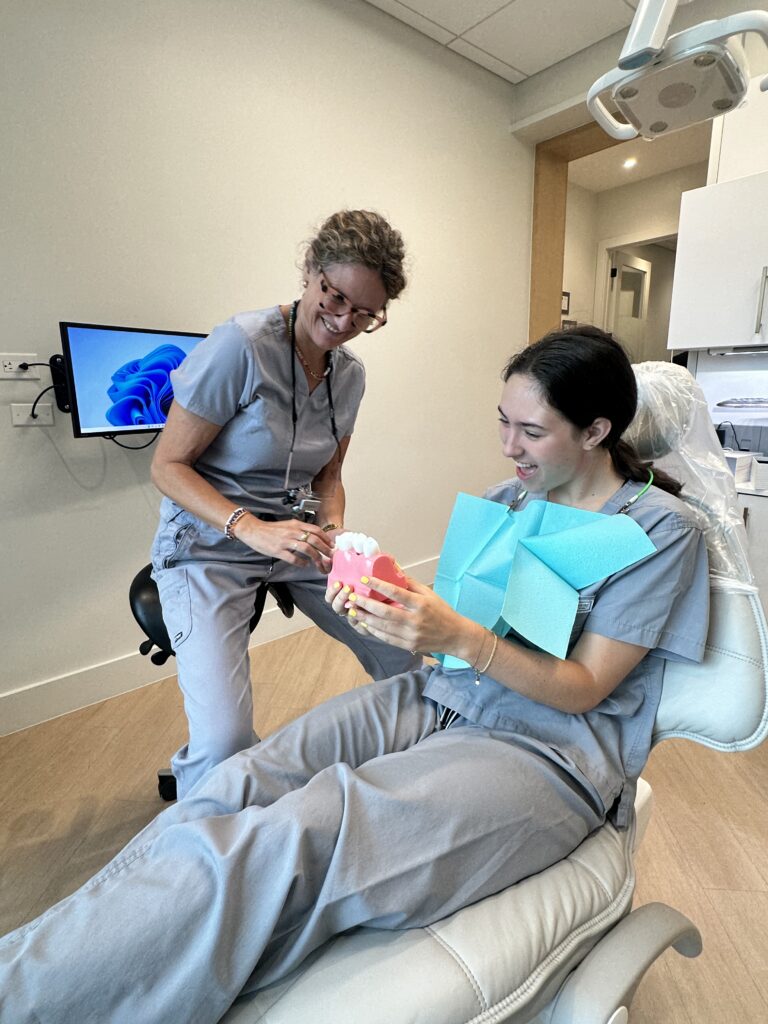
Maintaining proper oral health begins with having professional dental cleanings at least every 6 months by a board certified dental hygienist. During the cleanings, a dental hygienist uses special tools to remove plaque and tartar from your teeth and gums. These steps, along with an examination of the entire mouth by Dr. Etheredge helps to insure the optimum health of your teeth and gums for years to come.
Routine Exams
Your initial consultation will consist of Dr. Etheredge and one of our hygienists completing a thorough oral examination. Included is a full review of your medical and dental history, all necessary x-rays and intraoral photos, study models (if necessary), oral cancer screening, periodontal health evaluation, and an examination of your teeth and soft tissues, perio charting, caries detection, TMJ screening, nutritional counseling, oral hygiene instructions, oral cancer screening, and diagnostic photographs. Upon completion of your examination, you will be consulted regarding our findings, which will include any short- or long-term dental concerns, as well as preventative treatment and care.
Full mouth radiographic survey (FMX)
We greatly recommend having an FMX, especially if you haven’t had one in the past three to five years. Not only does an FMX provide an overview of your oral health, it also helps to pinpoint issues, such as possible periodontal (gum) disease and oral cancer; and provides a record for future visits.

Bitewings (4BW)
The most common type of x-rays dentists take are known as bitewing x-rays. Bitewings are typically made once a year. These require patients to hold or bite down on a piece of plastic with x-ray sensor in the center. Bitewing x-rays typically determine the presence of decay in between teeth, one of the most common areas where decay-causing bacteria reside.
Gum Disease Evaluation
Evaluating the amount of gum disease that has occurred, including periodontal (gum) pocketing and recession.
Scaling and Root Planing
One effective way to slow the progression of gum disease is through scaling and root planning. Because the procedure is a more advanced cleaning, where a dentist actually cleans between your gums down to the tooth and root, scaling and root planning can sometimes require a local anesthetic.
Oral Cancer Exam
Consists of a head and neck exam to rule out any potential pathology.

Intra-oral camera
This unique visual element provides an in-depth perspective of the overall condition of your mouth. Think of it as a multi-dimensional exploration of your gums and teeth, as well as any fillings and crowns. It’s a great preventative measure for pinpointing any possible issues that may arise.
Maintaining proper oral health begins with having professional dental cleanings at least every 6 months by a board certified dental hygienist. During the cleanings, a dental hygienist uses special tools to remove plaque and tartar from your teeth and gums. These steps, along with an examination of the entire mouth by Dr. Etheredge helps to insure the optimum health of your teeth and gums for years to come.
Routine Exams
Your initial consultation will consist of Dr. Etheredge and one of our hygienists completing a thorough oral examination. Included is a full review of your medical and dental history, all necessary x-rays and intraoral photos, study models (if necessary), oral cancer screening, periodontal health evaluation, and an examination of your teeth and soft tissues, perio charting, caries detection, TMJ screening, nutritional counseling, oral hygiene instructions, oral cancer screening, and diagnostic photographs. Upon completion of your examination, you will be consulted regarding our findings, which will include any short- or long-term dental concerns, as well as preventative treatment and care.
Full mouth radiographic survey (FMX)
We greatly recommend having an FMX, especially if you haven’t had one in the past three to five years. Not only does an FMX provide an overview of your oral health, it also helps to pinpoint issues, such as possible periodontal (gum) disease and oral cancer; and provides a record for future visits.